The filter is the heart of your aquarium. It removes dirt, and more importantly, it houses the beneficial bacteria that break down fish waste. Here is a quick guide to choosing one, and to when an air pump is worth adding.
What a filter does
- Mechanical filtration - sponges trap floating dirt and debris.
- Biological filtration - bacteria living in the sponge and media turn harmful ammonia into safer nitrate.
- Chemical filtration (optional) - media such as activated carbon remove odours and discolouration.
Common filter types
- Sponge filters - run with an air pump, very gentle and cheap. Perfect for bettas, shrimp and baby fish.
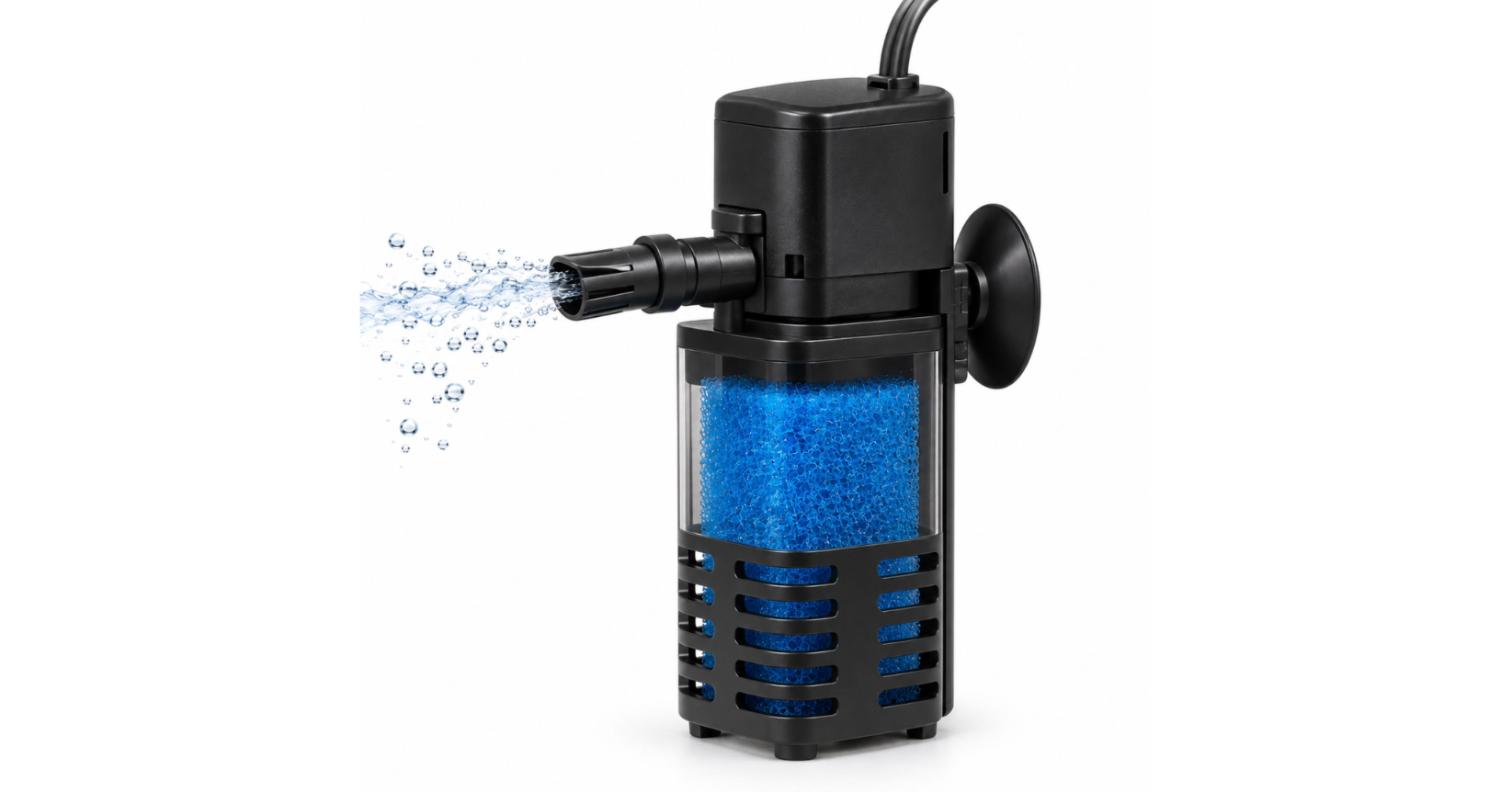
- Internal power filters - compact units that sit inside the tank. Great for 1-2 ft tanks. Our Internal Aquarium Filter has adjustable flow.
- Hang-on-back filters - hang on the rim of the tank and are easy to maintain.
- Canister filters - powerful external filters for large tanks.
How big a filter do you need?
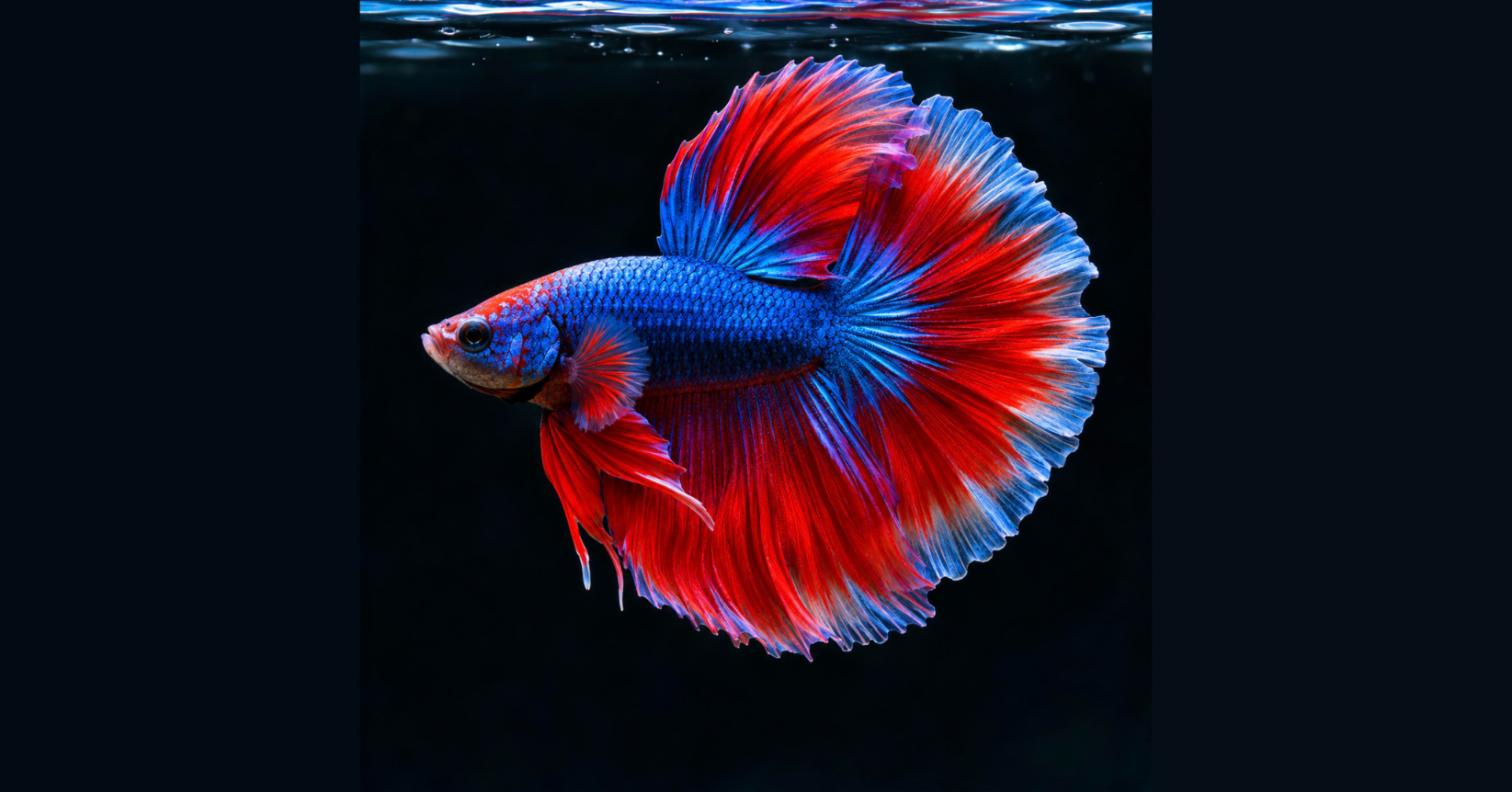
A useful rule of thumb for community tanks: choose a filter rated to move about 4-5 times your tank volume per hour. For a 60 litre tank, that is roughly 240-300 litres per hour. Bettas and other long-finned fish prefer gentler flow.
Do you need an air pump?
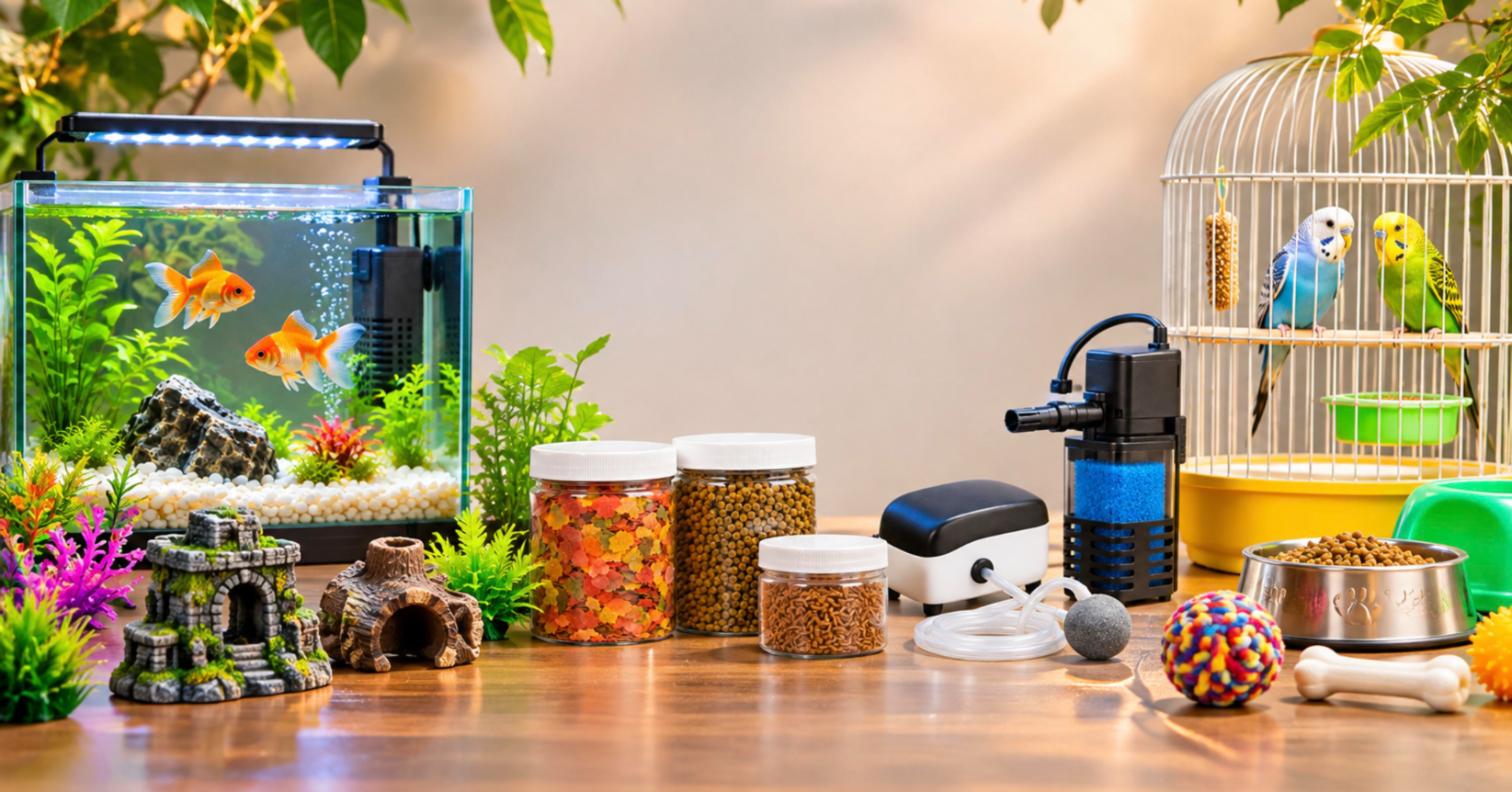
An air pump with an air stone adds surface movement, which helps oxygen get into the water. It is especially useful when:
- your tank is heavily stocked,
- the water is warm (warm water holds less oxygen),
- you are treating fish with medication, or
- you want to run a sponge filter.
Tip: place the pump above the water level or fit a check valve so water cannot flow back into it if the power goes out.
Filter care
- Rinse the sponge in a bucket of old tank water every 2-4 weeks.
- Never wash it under the tap - chlorine kills the helpful bacteria.
- Replace media gradually, not all at once.
Visit Your Choice Aquarium & Pet Shop on Sarjapur Main Road, T C Halli (near Gyani Ice Cream & More) - open every day, 8 AM to 10 PM - or call +91 90088 60003. You can also shop online.